
Rope playground equipment for children is not an entirely new invention. Yet it is popular with premium investors because its shape and function suit every generation of children, satisfy modern trends, and never go out of style. The person who created this equipment is Joe Brown. It was later developed into three specialized play areas with shapes: The Globe, Cube L, and Cube M. Each has its own character.
Joseph Brown (1909-1985) was the son of a Russian immigrant to the Philadelphia area in the United States. At 18, he entered Temple University in Philadelphia on a scholarship, where he was exposed to a very advanced physical education program. In 1928, instead of graduating with his peers, he dropped out and became a professional boxer. A surprising turn. After an injury, Joe found a special passion for sculpture. He spent more and more time on this art. In 1931, he returned to finish his graduation thesis at Temple University. After six years as a sculptor, Joe was hired by Princeton University to train boxers.
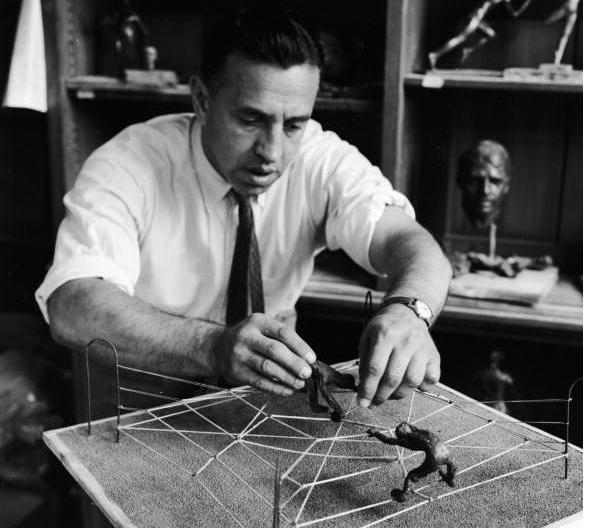
Through teaching, training, and practicing with athletes, Joe saw the importance of sport and play for young people. He decided to turn to researching playground equipment in early 1950. Four years later, he presented his prototype to the council of the National Recreation Association in St. Louis. Many experts at the time believed his design was a real revolution in recreation. Joe laid out the idea of what he called community play. The way it was designed and the way it helped people play delighted the council. Joe Brown has since been seen as the founder of modern playgrounds. He was also the first to define play as preparation for human maturity. A few years later, Joe installed the first playground equipment in Philadelphia and in some places outside the United States such as London and Tokyo. However, no business mass-produced his designs. Joe could not afford production, and he would not hand his designs to others. In 1959, he published the book Creative Playgrounds and Recreation Centers, which included his first rope playground design. The idea came from combining playground equipment with the ropes of a boxing ring.
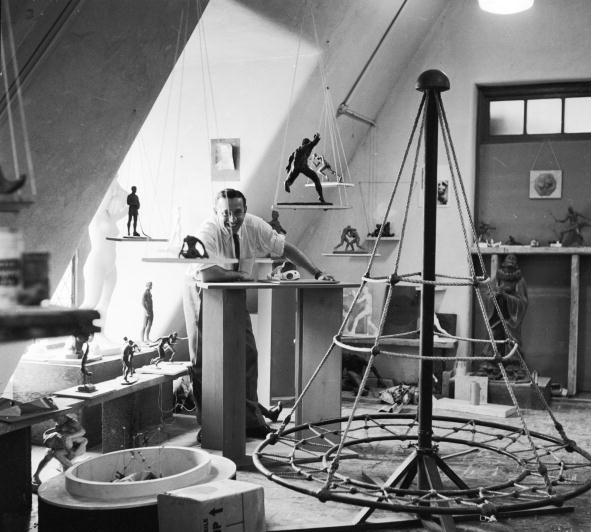
Joe was also the first to create the famous high rope garden. A lasting legacy. By 1960, he still had not obtained licenses for his designs despite great effort, so he decided to apply his ideas to individual special projects instead of struggling in vain. In the end, he became a lecturer in art. He taught sculpture to students and kept going until he retired in 1977.
In Germany, Conrad Lehmann continued Joseph Brown's rope playground idea by working with Frei Otto of the Institute for Lightweight Structures. In the early 1970s, these designs were mass-produced with specialized technology.
Drawing on experience and understanding of the benefits of play with rope equipment, in autumn 2014 experts released the first rope play model with a solid wood frame, The Globe.
Building on The Globe, the manufacturer developed The Cube M and The Cube L, products that combine the strengths of a sturdy wooden frame and a three-dimensional woven rope network.
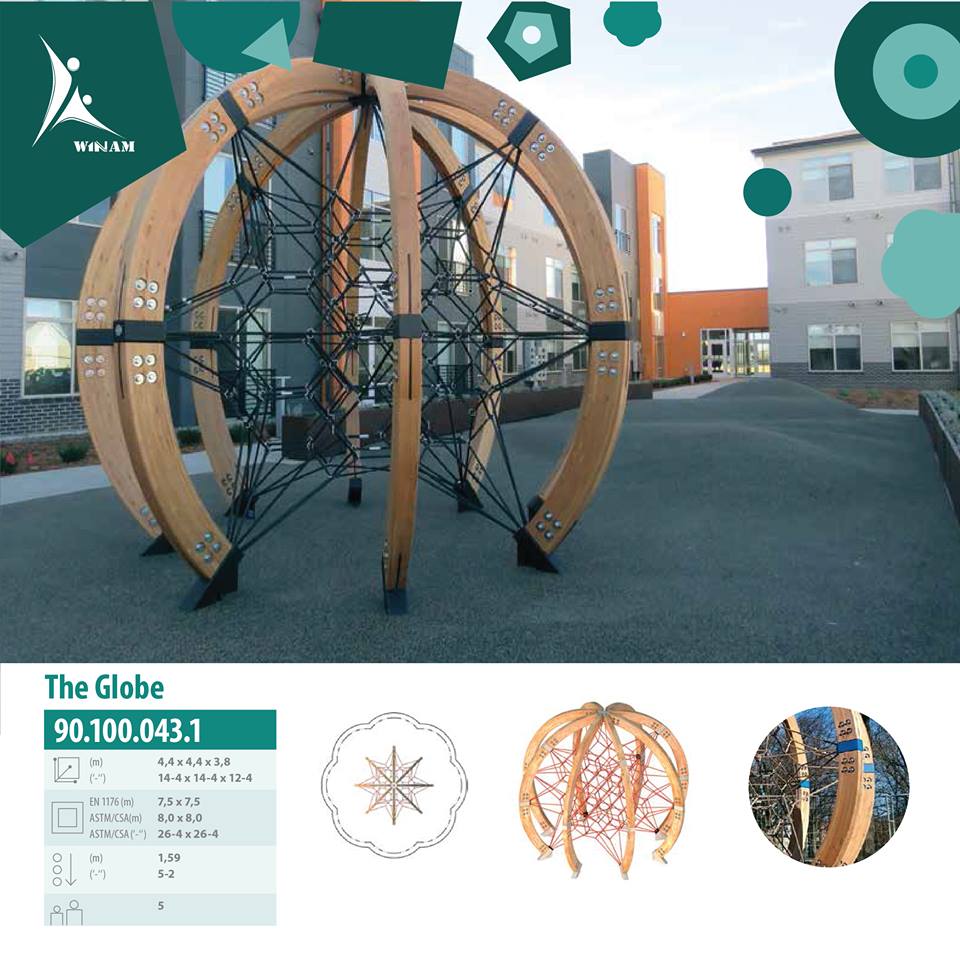
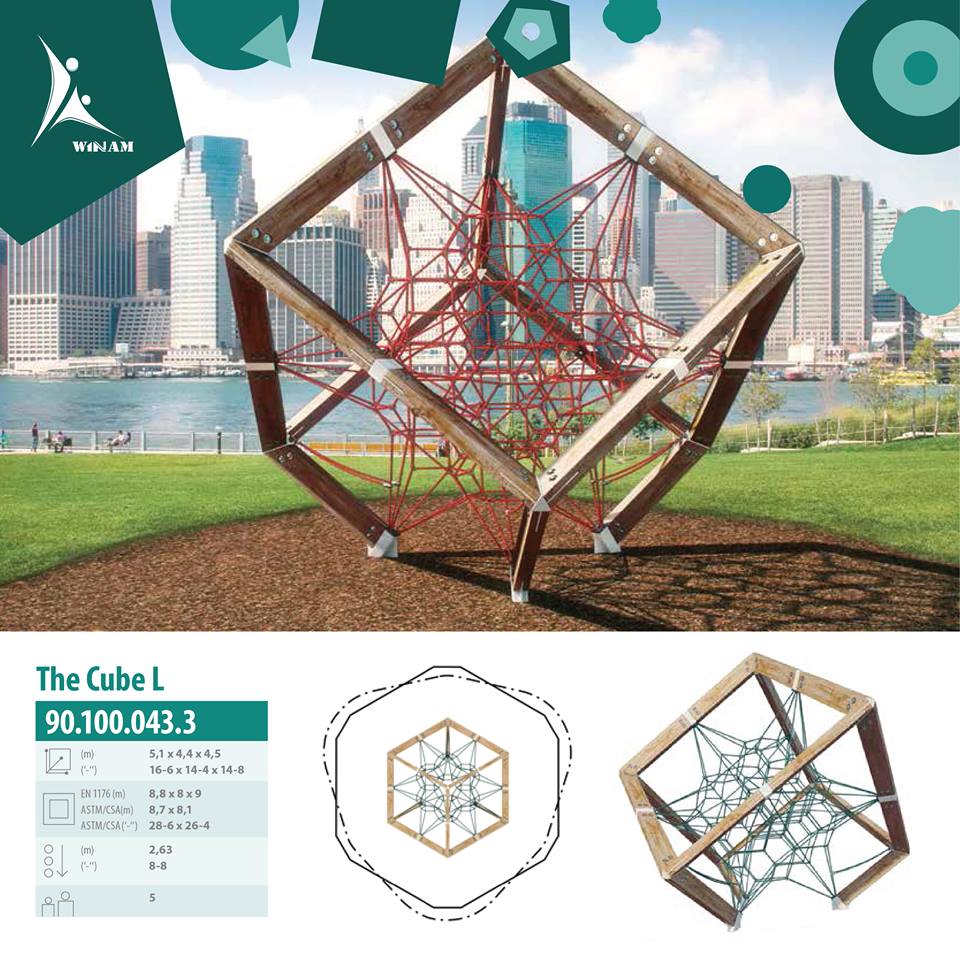
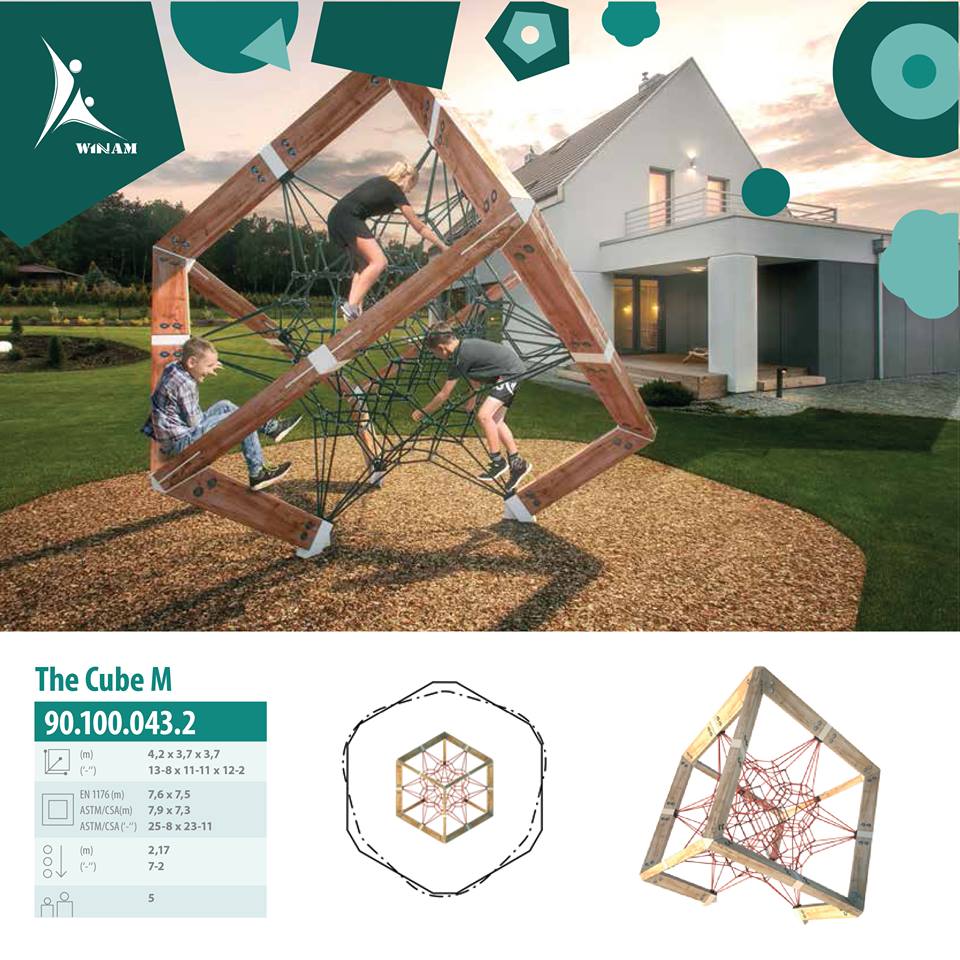
Rope and wood playgrounds give children space to move, and also help them form their first ideas about geometry, especially 3D shapes, stimulating thinking from an early age.
For partners in real estate and urban architecture, a playground with these special shapes also plays a large role in aesthetics and landscape.


